

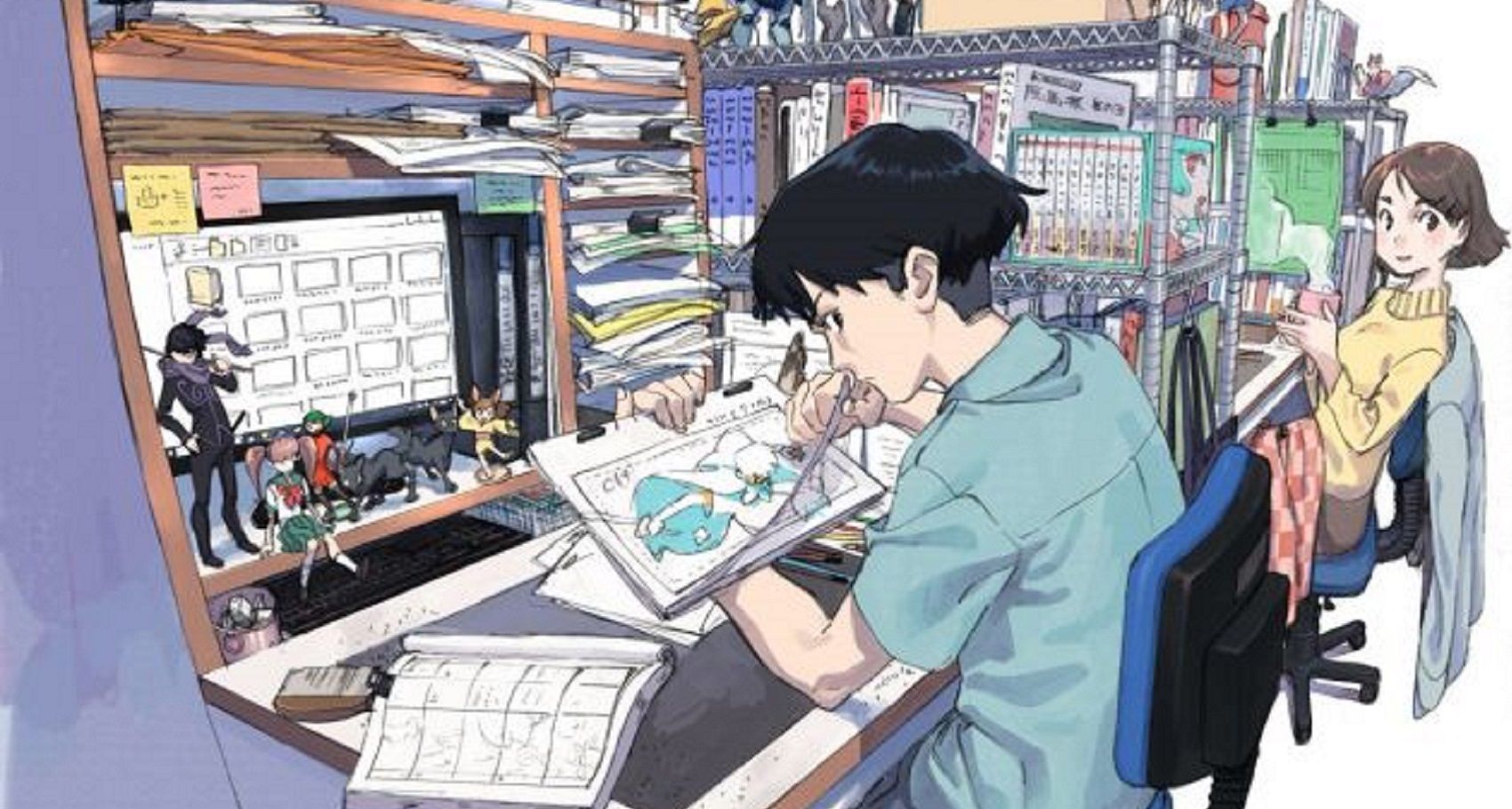
Japan Could Lose 400 Anime Episodes by 2030: The Animator Crisis Threatening the Industry
Published May 19, 2026 · Anime Recommendations

A new report warns that Japan’s anime industry could lose the equivalent of 400 episodes of production capacity by 2030. Low wages, brutal working conditions, and an exodus of young talent are creating what insiders call the “2030 Problem” — and it threatens every anime fan on the planet.
The numbers are staggering. According to Jun Sugawara of the nonprofit Animator Supporters, a report from the Japan Research Institute predicts Japan’s total anime output could fall by 10% compared to 2019 levels within the next four years. That translates to roughly 10,000 minutes of animation — or about 400 episodes of a standard 25-minute TV anime series. If this is your first time here, welcome to the Anime Roulette blog — and this is the kind of story that affects every single one of us who loves this medium.
The Numbers Behind the Crisis
Let’s talk about money — because that’s where this starts. According to Animator Supporters, the median hourly wage for animators in Japan is approximately $8.50 per hour. That’s below the national average across other industries. Some rookie animators earn as little as $200 per month during their first year. In Tokyo. One of the most expensive cities on Earth.
To put that in context: a 2023 survey by the Japanese Animation Creators Association (JAniCA) found that entry-level douga (in-between) animators earned an average of just ¥1.55 million per year — roughly $10,800 annually. Experienced key animators fare better at around ¥4 million ($28,000), but that’s still below Japan’s national average for all private-sector employees (¥4.56 million).
“Already short-staffed animation studios no longer have the staff available to offer the mentorship new animators need to thrive. New hires have been thrown in the deep end without the chance for their talent to mature, and it’s become a major problem.” — Animator Supporters
Why Animators Are Leaving
The crisis isn’t just about pay. It’s about a system that burns through its most passionate workers and spits them out. According to industry data compiled by WiFi Talents:
- → 50% of entry-level animators leave the industry within 3 years
- → 80% of animators work more than 10 hours per day
- → 18% work more than 100 hours of overtime per month
- → 45% of the production workforce are freelancers with no benefits, overtime pay, or job security
- → 30%+ report feeling “mentally exhausted” due to overwork
The system creates what animators call the “passion trap” — young artists enter the industry driven by love for the medium, only to find themselves trapped in a cycle of overwork, underpayment, and exploitation. Senior animator Terumi Nishii put it bluntly: experienced animators can earn over 1 million yen per month, but “the pay per project hasn’t increased. My workload has only grown.”
The Quality Crisis Is Already Here
This isn’t theoretical. In 2024, a record 310 anime were produced — the highest number ever recorded — by an industry employing fewer than 6,000 trained animators. That workload is crushing studios, and the cracks are showing in the finished product.
Recent high-profile productions have faced severe quality issues: One Punch Man Season 3’s Episode 6 scored a devastating 1.5 out of 10 on IMDb. Uzumaki lost its director mid-production and devolved into widely criticised animation. Blue Lock Season 2’s soccer matches were mocked as “slideshow animation.” These aren’t isolated failures — they’re symptoms of a system stretched beyond breaking point.
In 2024, the United Nations Human Rights Council warned of an “existential threat” to the industry and called for government intervention. The situation is that serious.
What’s Being Done to Fix It
The good news: people are fighting back. Animator Supporters — the nonprofit leading the charge — has launched a new crowdfunding campaign with a $30,000 goal to expand housing and training support. Their dormitory program already offers subsidised housing, utilities, and internet for under $200/month to animators in their first three years.
Major studios are also stepping up. TMS Entertainment runs a year-long paid training program giving trainees a monthly stipend of ¥150,000 ($1,050) and a pathway to full-time employment. Toei Animation and Bandai Namco Filmworks have launched similar initiatives. The Japanese government implemented a landmark Freelance Law in November 2024 mandating written contracts and restricting unpaid overtime.
Animator Supporters is also planning to establish its own anime studio in Kochi Prefecture and launch a “Mini-Anime Project” to give rookie animators hands-on production experience while creating sustainable revenue. They’ve even expressed interest in collaborating with overseas labour organisations like The Animation Guild and IATSE to study labour organising models.
Why This Matters for Fans
Here’s the reality: anime doesn’t appear by magic. Every frame is drawn by a human being. Every sakuga moment you screenshot and share online represents hours — sometimes days — of gruelling work by someone who may be earning less than a fast-food worker. The shows we love are made by people who love them more than we do, and that love is being exploited.
If the industry loses 400 episodes worth of production capacity by 2030, that means fewer shows, longer waits between seasons, and more quality disasters like the ones we’ve already seen. It means the next Attack on Titan or Demon Slayer might never get made because there simply aren’t enough animators left to make it.
What Can You Do?
As fans, we have power. Support the Animator Dormitory Project crowdfunding campaign through GoGetFunding. Buy physical media — Blu-rays and merchandise — because that’s where studios actually see revenue (streaming platforms keep most of the money). Support studios that treat their workers well. And most importantly, talk about this. Awareness is the first step toward change.
If you want to explore more about the anime industry and the shows being made under these conditions, check out our Spring 2026 first impressions — five shows dominating the conversation right now. Our weekly Top 10 rankings show what thousands of fans are actually watching. And our guide on how to pick your next anime helps you find your next obsession.
Support the artists who make the anime you love. Discover your next favourite show on Anime Roulette.
The anime industry gave us some of the most beautiful, moving, transformative art ever created. It deserves better than this. The people who make it deserve better than this. And as fans, we owe it to them to pay attention — because without animators, there is no anime.
Every frame is drawn by a human hand. Never forget that.
Did you know about the animator crisis? Let us know in the comments — and share your favourite sakuga moment to celebrate the artists who made it possible.